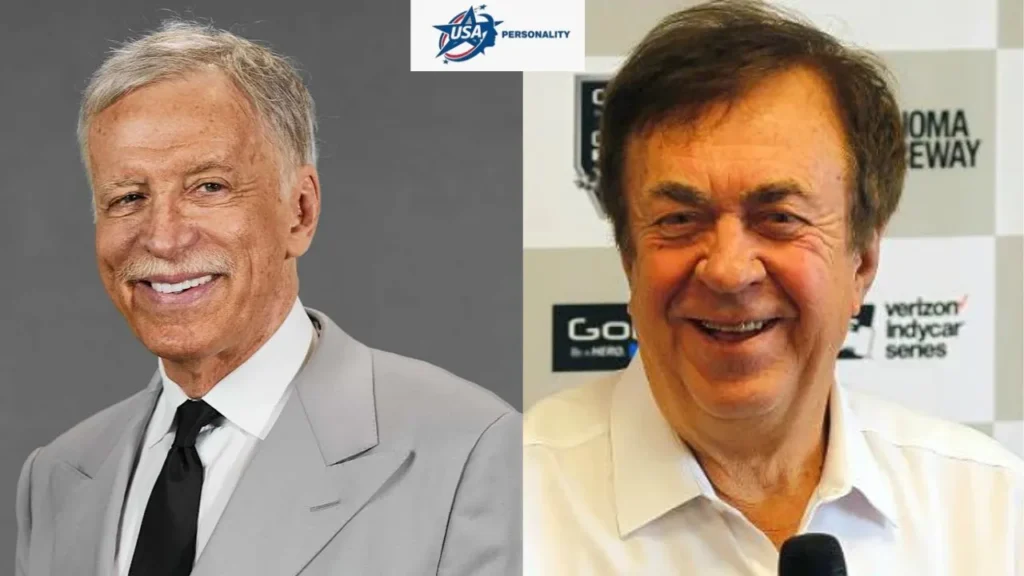
Stanley Kroenke vs John Menard Empire Paths
Both Kroenke and Menard are classic examples of American accumulation: starting from tangible, operational businesses and scaling via either asset accumulation (land, venues, franchises) or networked retail (stores, supply chains, private labels). But the way their wealth shows up on balance sheets — and the reputation consequences that follow — differ dramatically.
Kroenke’s holdings are asset-rich and brand-heavy: stadiums, teams, and media rights convert cultural attention into valuation. Menard’s model is cashflow-first — predictable daily revenue generated by millions of retail transactions across hundreds of stores. Each approach has trade-offs. Sports generate outsized headline value and intense emotional connection; retail generates grinding, predictable margin and operating complexity.
Quick Facts At a Glance
Stanley Kroenke Profile Summary
- Full name: Enos Stanley Kroenke
- Born: July 29, 1947
- Industry: Sports, real estate, entertainment
- Main vehicle: Kroenke Sports & Entertainment (KSE)
- Known for: Owning major U.S. sports franchises and a Premier League club; acquiring venue assets and adjacent real estate
John Menard Jr. – Profile Summary
- Full name: John Robert Menard Jr.
- Born: January 22, 1940
- Industry: Retail — home improvement and building materials
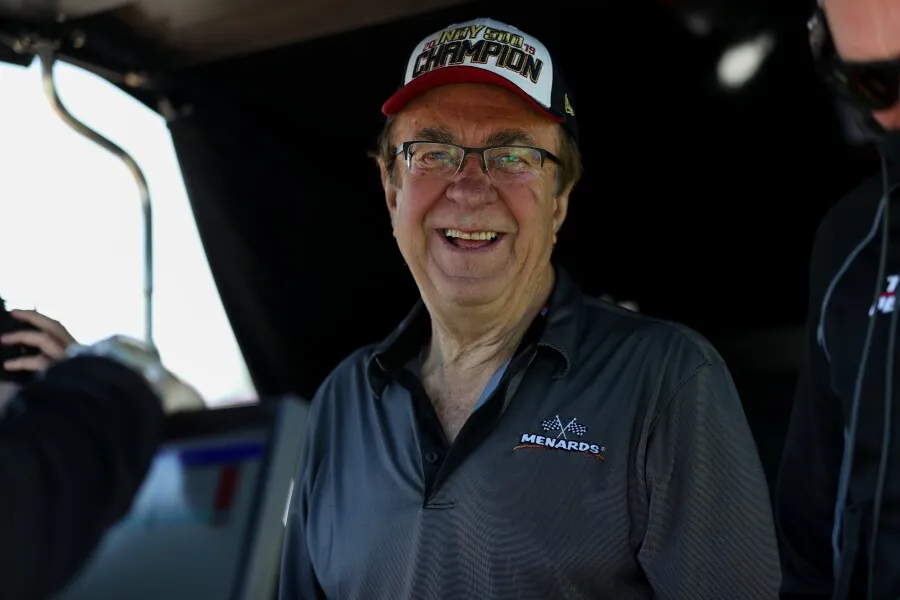
- Main vehicle: Menards (private company)
- Known for: Building a dominant Midwestern big-box chain, vertically integrating supply and keeping tight private control
Two Billionaires, Two Completely Different Empires
When readers search “Stanley Kroenke vs John Menard Jr.” they’re not just looking for a balance sheet — they’re mentally weighing two philosophies of accumulation, stewardship, and influence. One built a globally visible entertainment-and-real-estate platform; the other quietly constructed a privately held industrial-retail fortress. This long-form, search-optimized pillar examines both figures through multiple lenses: net worth and valuation mechanics, structural differences between sports and retail empires, leadership and management patterns, public reputation and controversies, and how each man’s choices will probably shape their legacy.
Below you’ll find deep narrative context, practical lessons for entrepreneurs, a head-to-head table for quick comparisons, and a compact FAQ addressing the most common queries searchers bring to this topic.
Early Life & Background: Where It All Started
Stanley Kroenke: From Lumber Yard to Stadium Owner
Stanley Kroenke’s roots are practical: a family lumber business, an early education in inventory and property, then a sequence of real estate Investments that became the foundation for a broader move into sports. Marriage into the Walton family provided both capital and operational insight into retail-anchored real estate — the kind of thinking that scales when you start buying adjacent parcels, land for stadium projects, and media platforms to distribute content from your teams.
John Menard Jr. From Contractor to Retail King
Menard started as a builder who identified gaps in local supply chains. Rather than simply contracting, he pivoted to merchandising the very products he used: lumber, building materials, and tools. Over the decades, small lumber yards were consolidated and expanded into superstores focused on price, inventory depth, and Midwest distribution economics. Menard deliberately kept the company private, enabling long-term reinvestment decisions unconstrained by quarterly public-market pressure.
Career Growth Step-by-Step Empire Building
Stanley Kroenke’s Path: Real Estate → Sports → Global Influence
- Real estate foundation: Kroenke bought shopping centers and parcels that produced stable returns.
- Minority stakes into control: Initial minority stakes in teams gave him an entry path; later, he consolidated control.
- Full ownership and verticalization: Through Kroenke Sports & Entertainment, he owns teams, venues, local media assets, and land — enabling multiple revenue streams from a single franchise.
- Platform thinking: Teams become anchor assets for adjacent projects (retail, restaurants, naming partnerships, and real estate development).
John Menard Jr.’s Path: Contractor → Regional Giant
- Construction and local services: The initial business built credibility and customer relationships.
- Brick-and-mortar expansion: Lumber yards became bigger stores with broader SKUs.
- Distribution and private labels: Menards developed private brands and distribution centers to improve margins.
- Midwest concentration and optimization: Rather than national overreach, Menards focused on the regional density that maximizes logistics efficiency.
Who Owns What? Empire Breakdown
Stanley Kroenke’s Sports & Entertainment Ecosystem
Kroenke’s holdings are engineered to capture many slices of the sports-economics pie:
- Team Ownership (franchises that embody brand and fan equity)
- Venue ownership (stadiums, arenas, adjacent development land)
- Media and sponsorship rights (access to broadcast, streaming, and commercial partnerships)
- Hospitality and premium experiences (suites, club memberships, VIP packages)
His model is designed for scale on the value-per-fan axis: fine-tune the live experience, increase broadcast reach, and the valuation multiple rises.
Menards Retail Vertical Integration
Menards’ strengths lie in:
- High store density in a focused geography
- Control over supply chain and private label lines
- Low public visibility and a strategy grounded in reinvestment rather than market signaling
- Manufacturing and distribution that support a price leadership approach
This is a volume + margin play rooted in operational virtuosity.
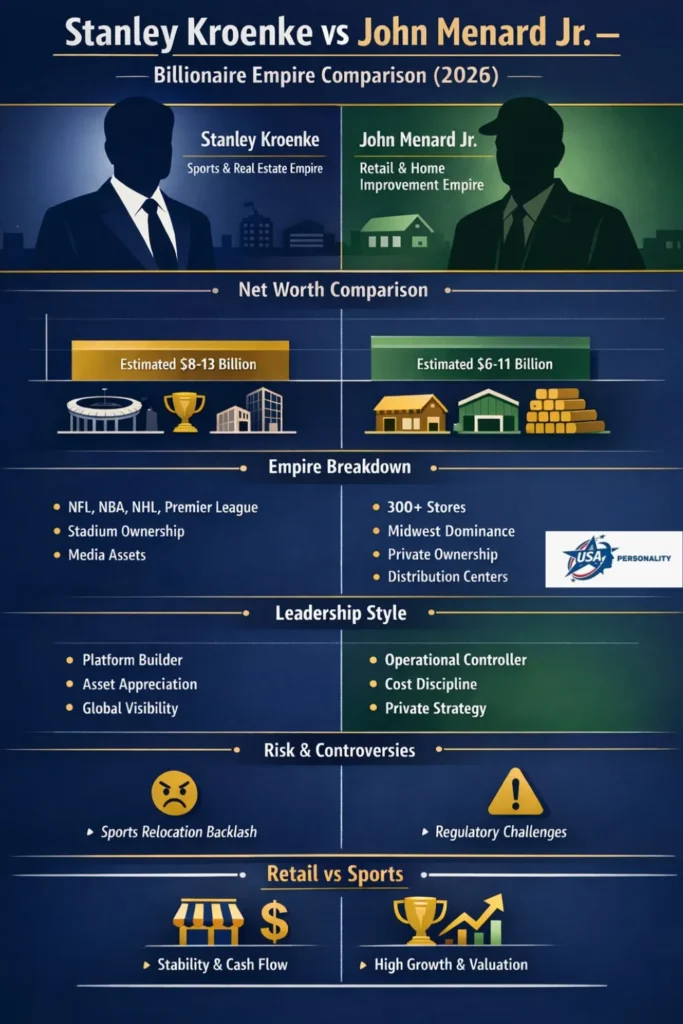
Kroenke Net Worth vs Menard Net Worth
Private wealth estimates vary by source — sports franchises are often valued using projections tied to media rights, while private retailers are opaque and valued by multiples of revenue or EBITDA. For context:
- Kroenke: Valuation heavily influenced by NFL/NBA/MLS/PL franchise valuations, stadium real estate, and related media assets. These assets can spike in value quickly when media deals land or when teams perform well on the global stage.
- Menard: Valuation is more stable and driven by recurring retail cash flow, in-store economics, and the value of physical distribution assets.
Both are multi-billionaire owners. Which is “richer” depends on methodology, timing, and which illiquid assets are revalued most recently.
Head-to-Head Comparison Table
| Aspect | Stanley Kroenke | John Menard Jr. |
| Core Industry | Sports & real estate | Home improvement retail |
| Ownership Style | Holding company, platform owner | Private family-controlled company |
| Geographic Focus | U.S. & UK (global teams) | Midwest U.S. (regional concentration) |
| Public Profile | High (teams, relocations, media) | Low (private, frugal PR) |
| Revenue Model | Media, sponsorships, matchday, development | Store sales, supply chain efficiencies |
| Risk Type | Public scrutiny, fan sentiment, and regulatory | Operational, labor, environmental/regulatory |
| Legacy Type | Global Cultural Influence | Regional retail dominance, operational mastery |
Leadership Style Comparison
Stanley Kroenke: The Silent Platform Builder
Kroenke is often described as a strategic, long-term thinker who delegates daily operations but orchestrates large capital decisions. His approach:
- Emphasizes asset appreciation and brand leverage
- Prioritizes land and venue control to capture ancillary revenue streams
- Is comfortable with being a high-impact, low-visibility steward until controversies demanda response
Strengths: ability to build platforms that compound value; strategic patience.
Weaknesses: fan backlash around relocations and perceived lack of responsiveness.
John Menard Jr. The Operational Controller
Menard’s style is hands-on with a relentless focus on cost control and reinvestment:
- Tight operational control across stores
- Emphasis on pricing and logistics rather than PR or celebrity branding
- Preference for private ownership to insulate long-term strategy
Strengths: operational excellence and steady margins.
Weaknesses: less brand glamour and exposure to operational controversies that can accumulate over time.
Controversies & Public Image
Kroenke-Related Issues
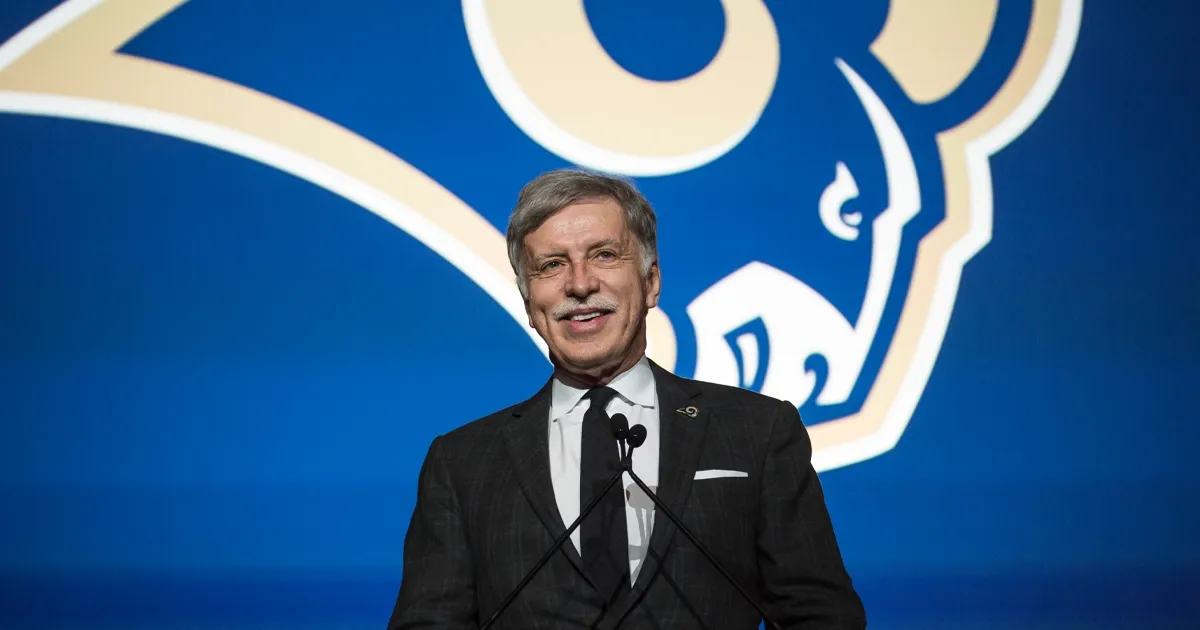
- Relocations: The Rams’ move from St. Louis to Los Angeles generated significant local anger and media scrutiny.
- Fan protests: Decisions at Arsenal have periodically sparked supporter unrest.
- Transparency concerns: Large real-estate and cross-border ownership arrangements invite public scrutiny.
These controversies are the cost of visibility — sports owners can become lightning rods for fan frustration.
Menard-Related Issues
- Regulatory and environmental cases: Menards has faced various legal and regulatory disputes over the years.
- Labor and compliance: Large-scale retail operations entail repeated operational challenges that sometimes surface as controversies.
- Private posture: The company’s preference for low publicity means controversies tend to be legal/operational rather than reputationally viral.
Both men have weathered controversies; the difference is the audience and the volume of attention.
Retail vs Sports Empire Which Model Is Stronger?
There’s no single right answer — “strength” depends on the metric:
- Stability (cashflow): Retail (Menards) — daily transactions and repeat customers produce reliable revenue.
- Upside (valuation multiple): Sports (Kroenke) — media rights and global fan growth can produce sudden leaps in valuation.
- Control: Private retail allows unilateral decision-making without market pressure.
- Brand & culture: Sports owns cultural narratives; retail owns utility and habit.
A wise investor recognizes both models are complementary in a diversified portfolio: one pays steady bills, the other sometimes delivers transformational gains.
Timeline Highlights
Stanley Kroenke
- 1947: Born in Missouri. Early exposure to lumber/real estate family business.
- 1980s–1990s: Increasing real estate investments; incremental moves into sports.
- 2000s: Greater consolidation of sports holdings (Nuggets, Avalanche, later Rams).
- 2010s: Stadium projects, strategic real estate plays, and further cross-border sports investments.
- 2020s: Arsenal ownership consolidation and continued development of KSE assets.
John Menard Jr.
- 1940: Born in Eau Claire, Wisconsin; early entrepreneurship and construction work.
- 1960s–1980s: Growth from lumber operations to larger-format stores.
- 1990s–2000s: Distribution centers and vertical integration accelerate expansion.
- 2010s–2020s: Continued private expansion, manufacturing, and regional dominance in the Midwest.
Net Worth: Why Numbers Move
Estimating net worth for large private owners requires assumptions:
- Franchise valuations are often published or estimated using league-level multiples (NFL team valuations differ vastly from a local retail chain in valuation approach).
- Private company multiples rely on revenue/EBITDA multiples; lack of transparency forces ranges.
- Land & real estate can be appraised more directly but are often kept off public balance sheets until sold.
- Currency and debt: Leverage levels can modulate headline net worth — high leverage reduces equity even if asset values are large.
Because of these moving parts, placing Kroenke and Menard on a single “who’s richer” scale requires a snapshot date and an agreed valuation method. The sensible approach for a publisher is to give a range and explain the assumptions.
Entrepreneur Lessons What Founders Should Learn
- Different industries demand different muscles. Retail requires operational repetition and ruthless supply chain control; sports requires narrative curation and brand stewardship.
- Control vs exposure trade-off. Private control (Menard) gives strategic flexibility; public visibility (Kroenke’s teams) offers brand power and outsized valuation opportunities — at the cost of scrutiny.
- Asset mix matters. Land and stadiums appreciate differently than inventory and distribution networks. Know your compounding engine.
- Succession planning is operational. For private companies, family governance frameworks preserve continuity; for public-facing assets, reputation and cultural legacy matter most.
- Borrow from each other. Retailers can embrace storytelling to deepen loyalty; sports owners benefit from operational rigor to improve margins.
FAQs
A: Estimates vary yearly. Both are multi-billionaires. Rankings change with franchise valuations and private retail performance; comparisons require specifying dates and valuation assumptions.
A: Yes. Kroenke’s holdings include major teams such as the Los Angeles Rams and Arsenal F.C., alongside other sports and entertainment assets.
A: No. Menards is privately held and has remained so by design, which has shaped its long-term strategy and decision-making.
A: Kroenke focuses on platformed sports & entertainment assets that leverage fandom and media rights; Menard focuses on vertically integrated retail operations that deliver steady, daily revenue.
A: Retail typically provides steadier cash flow. Sports can be volatile but often captures higher valuation upside during favorable media cycles.
Controversies Deeper Look
- Relocation & Reputation: The more visible your asset, the faster negative sentiment can spread. Kroenke’s decisions about stadiums and relocations have ignited significant fan activism.
- Operational legalities: Menards’ controversies have generally been in the legal/regulatory domain rather than viral PR shocks, but sustained operational issues can still erode long-term trust if unaddressed.
- Media framing: Sports controversies are magnified because they occur in public arenas and are broadcast. Retail controversies are often reported in business outlets but rarely dominate cultural conversation.
Conclusion
Comparing Stanley Kroenke and John Menard Jr. is instructive precisely because their differences are as revealing as their similarities. Kroenke’s legacy will likely be measured in trophies, stadium skylines, and how his franchises are woven into global sports culture. Menard’s Legacy will likely be about regional economic impact, employment, and a quietly efficient retail machine that sustained decades of commerce.
If you judge by cultural imprint and global recognition, Kroenke’s model tends to win. If you judge by operational control, steady cash generation, and private governance, Menard’s approach may seem more enduring. Both models are valid ways to build concentrated wealth; they simply ask different questions of the person at the helm.