
Introduction
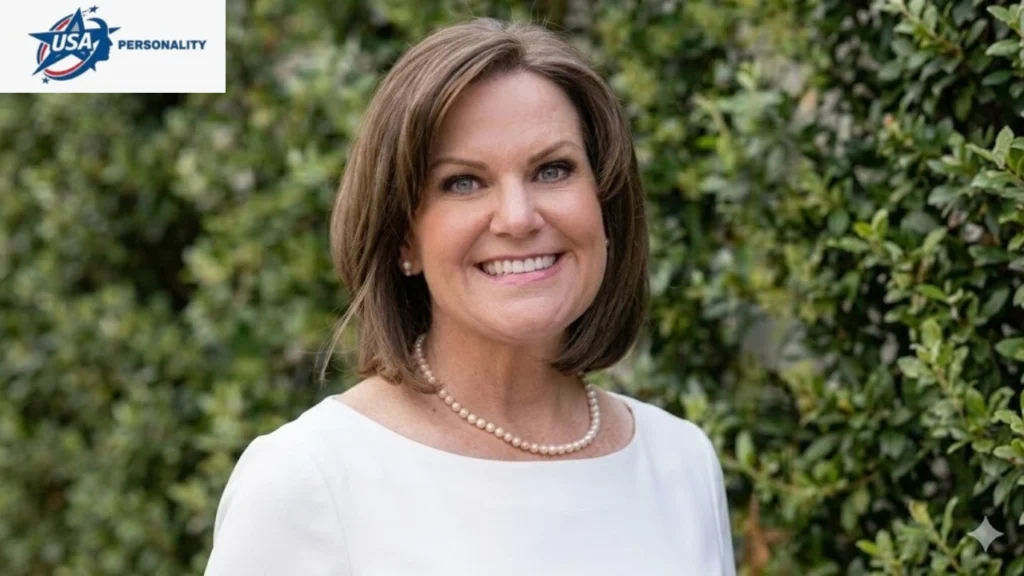
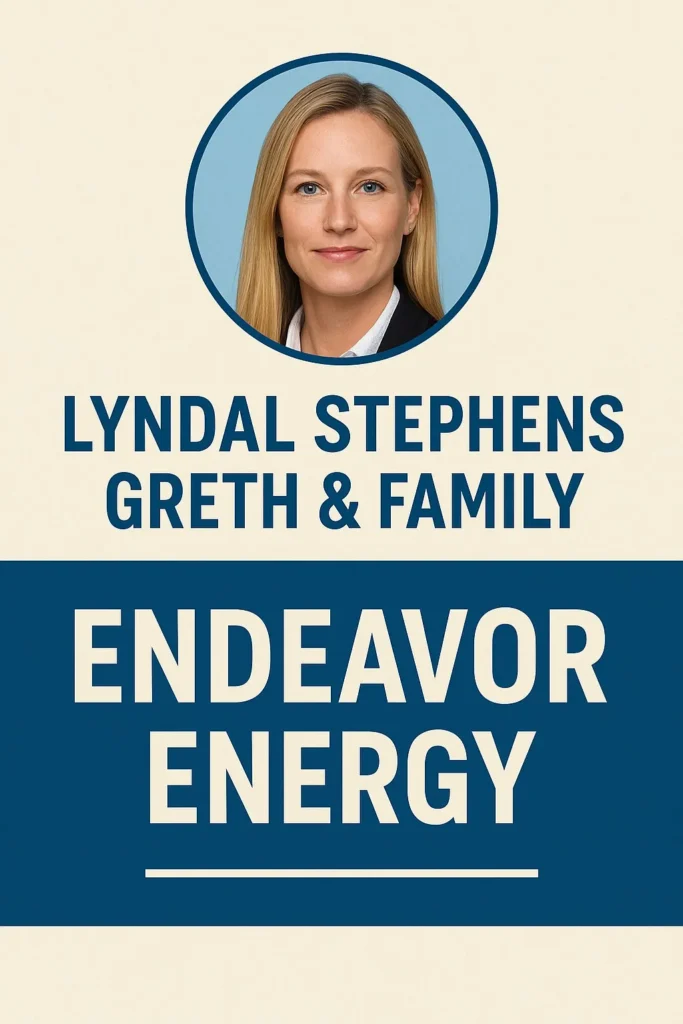
Lyndal Stephens Greth has become one of the most closely watched heirs in Texas energy because her family’s long-held private fortune moved into public view after the Endeavor Energy Resources sale to Diamondback Energy closed on September 10, 2024. Reuters reported that the transaction came after decades of resistance from her late father, Autry Stephens, and Diamondback’s SEC filings show that Greth remained central to the family’s trust and holding structure when the deal closed. By March 2026, Forbes listed “Lyndal Stephens Greth & Family” at $30 billion, underscoring how quickly private oil wealth can be transformed by a public-market exit.
What makes Greth notable is not just the size of the family fortune, but the way that fortune is being managed: through legal structures, board-level oversight, and gradual liquidity decisions rather than loud public branding. Bloomberg describes her as a Dallas-based attorney with a law degree from Baylor and an SMU background, while Diamondback filings show she has voting and dispositive power over major family share blocks. In other words, she is not simply an heiress in the headline sense; she is a steward of a large and evolving corporate legacy.
Quick Facts
| Attribute | Detail / Estimate |
| Full Name | Lyndal Suzanne Stephens Greth |
| Date of Birth | Mid-1970s (some sources list Oct 12, 1974) needs confirmation |
| Age (2026) | ~50–51 years |
| Birthplace / Hometown | Midland area / West Texas (family roots) |
| Nationality | American |
| Profession / Role | Attorney; family governance/board leader |
| Education | Southern Methodist University (undergrad), Baylor Law (J.D.) (reported) |
| Residence | Dallas, Texas (reported) |
| Parents | Autry Carl Stephens (father), Linda (Nagy) Stephens (mother) |
| Spouse | Richard W. (“Richie”) Greth Jr. |
| Children | Reported,, but numbers & names are unconfirmed |
Several items above are approximations drawn from public reports; please verify before publishing.
Family Roots & Early Life
The Stephens family: a Texas oil story
The Stephens family built wealth and reputation in the Permian Basin, Texas’s giant oil field. Lyndal’s father, Autry Carl Stephens, left a simple rural childhood to study petroleum engineering, and he eventually built a private oil enterprise that became Endeavor Energy. For decades, the firm acquired producing wells, drilling rights, and acreage that bigger oil companies often ignored and then extracted value from them. That hands-on, opportunistic approach is a core part of the family legacy and the context for Lyndal’s later role.
Autry Stephens is widely described in news reports and public tributes as a stubborn, practical wildcatter who favored hard work over public showmanship. He led the business until late in life and, after long stewardship, agreed to a transformational deal with Diamondback in 2024.
Childhood & upbringing
Public records show Lyndal grew up with strong Midland/Permian ties. She is one of two children of Autry and Linda Stephens; the family includes a sibling named Joseph (Joe) Stephens. Local reporting and the family’s social announcements placed her formative years in West Texas and later Dallas for university and adult life.
School records and wedding announcements show Lyndal graduated from local high school in the early 1990s, then attended Southern Methodist University and later Baylor Law School a path that combined liberal arts or business study with professional legal training. Those choices signal both local roots and professional preparation for governance and legal oversight.
Education & Early Career
From SMU to Baylor Law practical training
Lyndal’s reported education, an undergraduate degree at Southern Methodist University, followed by a J.D. from Baylor,r is important to how she fits into the family business. A law degree provides the vocabulary of contracts, corporate governance, and compliance. It also equips a person to review deals, oversee trusts, and manage high-value transactions, exactly the skills a family principal needs when a private company negotiates with public buyers.
The record of Lyndal’s early legal practice is not widely publicized. That is common among heirs who transition slowly from private careers into family governance: the person hones a professional skill set but gradually shifts toward board oversight, trust management, and strategic planning rather than day-to-day operations.
Governance: a steady move from counsel to chair
At some point, Lyndal joined the Board of Managers of Endeavor and took a vice-chair or similar governance role. In family-controlled companies, that structure is typical: operating teams run the oil field work while family members serve on the board to set long-term strategy and protect family capital. Over time, her board role deepened, and she became a key voice in strategy and eventual merger decisions.
The Sale of Endeavor to Diamondback is a turning point
Years of resistance, then a decisive agreement
Endeavor had long been courted by buyers. Autry Stephens declined offers for many years, driven by the belief that the company could keep growing on its own. In early 2024, however, the family agreed to a deal with Diamondback Energy that valued Endeavor at roughly $26 billion (including net debt). That agreement marked a major shift from private ownership to a transaction combining cash and public stock a moment that created immediate wealth on paper and also introduced market exposure for the family.
Journalists reported that health and estate planning were factors in the decision. Executives and bankers told reporters the family wanted to secure liquidity for heirs and simplify future management of assets, common motives when older founders consider the long-term future of a private enterprise.
Deal mechanics & public details
The transaction was announced in February 2024 and was structured as a mix of cash and stock. Diamondback’s press materials and filings described a combination that left Diamondback shareholders owning a majority of the combined company and Endeavor holders owning a significant minority. Formal closing of the merger took place later in 2024, after customary regulatory and shareholder approvals.
Endeavor’s footprint at the time, reporting hundreds of thousands of barrels of oil-equivalent production per day and large swaths of Permian acreage, made it an attractive asset. The scale of operations and the geological position in the Permian Basin were central to the valuation and strategic logic of the merger.
Family transitions: from private principal to public shareholder
When the company transitioned into a public company ownership structure, the Stephens family converted a large amount of private value into publicly traded stock and cash. That shift changes the family’s options: public ownership brings liquidity (shares can be sold), but it also exposes wealth to market moves. In September 202,4, the merger officially closed, completing the shift from private family control to combined public corporate ownership.
Lyndal’s Role & Leadership During the Deal
From vice chair to family chair
Lyndal had held governance positions before the sale. After the announcement and as circumstances evolved, she assumed higher-profile stewardship duties, including the kind of leadership that families choose when they must decide how to hold or sell stock, how to disclose information, and how to manage taxes and trusts after a large liquidity event.
When Autry Stephens died in August 2024, Lyndal’s position as a primary family figure became more public. Reports show that she moved into roles that involved guiding the family through the immediate decisions that follow a founder’s death: estate settlement, trust administration, and Public Communications.
Negotiation, counsel, and private influence
Although the detailed negotiation transcripts and counsel memos are private, Lyndal’s legal background and board experience make it reasonable to say she was a stabilizing governance presence. Family governance often depends on a member who understands contracts and who can translate technical offer terms into family-facing choices. That kind of role becomes more visible after a sale.
Net Worth, Holdings & Financial Picture
How wealth changed after the sale
Before the deal, the family’s wealth was tied to private oil assets production, reserves, land, and royalties. After the merger, the family held a mix of Diamondback stock and cash from the transaction. Public reporting and market trackers (Forbes, Bloomberg, wealth indices) began publishing net-worth estimates once ownership moved into listed stock. Those public tallies vary because net worth tied to public shares changes with the stock price and because media outlets make different assumptions about private trusts and retained assets.
Published estimates and why they differ
Different outlets gave different snapshots in 2024–2026. Some lists placed Lyndal and family among the wealthiest Americans with estimates in the tens of billions. Others used slightly lower calculations. These differences usually come from (a) whether a publication counts pre-tax or post-tax proceeds, (b) whether it counts only immediately reported shareholdings versus longer-term trusts, and (c) whether it uses the latest closing stock price at the moment of calculation.
Because Lyndal’s holdings were converted into public equity, her net worth is now partly visible and partly affected by market swings, share sales, and any lock-up or trust rules that limit immediate selling.
Family share sales & liquidity events
After the merger closed, filings and market activity showed that trusts tied to the Stephens family distributed and sold some Diamondback shares. In one widely reported transaction, the family (via trusts) sold about $2.2 billion of Diamondback stock in a secondary offering, a liquidity event that provided cash and reduced concentrated exposure to a single public company. Those kinds of sales are typical after a merger when families seek diversification or wish to pay taxes and settle estates.
Risk, diversification, and planning
Large wealth tied to a single sector always carries sector-specific risk: oil prices, regulatory policy, environmental rules, and technological change can all affect value. Converting private oil assets into a mix of cash and public stock gives a family immediate options:
- Keep shares and benefit from dividends and future appreciation.
- Sell shares to diversify into other asset classes (real estate, bonds, private equity).
- Use cash for philanthropy, estate planning, or to fund family offices.
The choices a family makes often reflect long-term tax planning, philanthropic goals, and risk appetite.
Personal Life, Public Image & Values
Marriage & household
Public wedding announcements list Lyndal’s Marriage to Richard W. (“Richie”) Greth Jr. in 2009, with details showing a Highland Park wedding in Dallas and a honeymoon in Maui. Richard’s public background indicates activity in investment or real estate-related fields. The couple lives in Dallas, though the family’s historical center of gravity is Midland and the Permian Basin.
Private by nature, focused on stewardship
Lyndal is not a celebrity in the usual sense. Unlike billionaire executives who seek the public stage, she has preferred a lower profile working in governance, legal oversight, and family matters. That preference means there are relatively few public interviews or speeches to quote. Public reporting emphasizes her role as a steward, someone who manages legacy and makes hard, private choices for the family’s long-term.
Civic life and philanthropy
Reports show early volunteer work and some local civic engagement. The Stephens family has a record of giving and local support in West Texas and Dallas-area causes. As Lyndal’s public profile grows because of family wealth, she may increase visible philanthropic commitments, take board posts in the nonprofit world, or fund local projects in Midland, Dallas, or education and medical institutions.
Lessons From a Family Transition
The Stephens family story, a founder who built value from the ground up and a next generation that navigates sale and stewardship, offers practical lessons:
- Professional training helps: Lyndal’s legal Education gave her tools for negotiation, contracts, and governance.
- Slow transitions reduce friction: Moving into board roles over the years, let heirs learn before making big calls.
- Estate planning and health matters: For wealthy families, major structural decisions often need to be made when founders face health or estate issues.
- Public markets change the rules: Converting private assets into public stock, which introduces market volatility and new disclosure obligations.
- Liquidity enables options: Cash and share sales give a family room to diversify and plan for taxes, philanthropy, and investment.
- Stewardship, not showmanship: Private family leaders often focus on preserving value rather than personal branding.
These are practical reminders for anyone involved in family business succession or major wealth transitions.
Strategic Moves: How the Stephens Family Is Shaping the Future of Energy Wealth
The Stephens family’s decision to merge Endeavor Energy with Diamondback not only unlocked billions in wealth but also set a modern example for family-led energy businesses. Under Lyndal Stephens Greth’s guidance, the family has shown that preserving legacy doesn’t mean avoiding change—instead, it requires strategic thinking, risk management, and active stewardship. By carefully balancing public stock ownership with long-term trusts, the family is able to diversify, plan for taxes, and invest in new opportunities while maintaining influence over the company’s direction. This approach highlights a growing trend among next-generation energy heirs: leveraging decades of private experience to thrive in a dynamic, public-facing market without losing sight of family values and heritage.
Chronological Timeline
FAQs
Answer: Lyndal Stephens Greth is an American attorney, businesswoman, and family principal behind the Stephens oil legacy. She is the daughter of Autry Stephens and played a key role in guiding the sale of Endeavor Energy to Diamondback Energy in 2024. After the merger, she became Chair of the board and a major shareholder.
Answer: Her wealth comes from the Stephens family’s energy business; their 2024 merger of Endeavor Energy with Diamondback Energy (~$26B) turned private assets into public equity and cash.
Answer: Estimates vary. Some sources list her net worth in the tens of billions (public trackers like Forbes and Bloomberg publish updated figures). Because her wealth is tied to public stock in Diamondback, her net worth is fluid with market changes and depends on share prices, sales, and trust arrangements.
Answer: Publicly, she is reported to live in Dallas, Texas, though her family has deep roots in the Midland area.
Answer: Not in the sense of day-to-day operations. She served primarily in governance roles Vice Chair, Board Manager, and then Chair, providing oversight, strategic direction, and family representation while operational executives ran drilling, production, and field operations.
Answer: Announced in February 2024 and closed in September, the merger provided cash and stock, driven by estate planning and Autry Stephens’ health.
Conclusion
Lyndal Stephens Greth’s story is really the story of a family fortune moving from private control into public markets without losing its governance center. The 2024 Endeavor-Diamondback transaction, her elevation to chairman, and the 2026 share-sale activity all show a Family still actively managing the next chapter of a Texas energy legacy. For readers, the key takeaway is simple: her influence comes from stewardship, structure, and timing, not just from inherited wealth.
For ongoing coverage, this is a story worth revisiting as Diamondback’s share price, the family’s ownership level, and the broader energy market continue to shift.