
Introduction
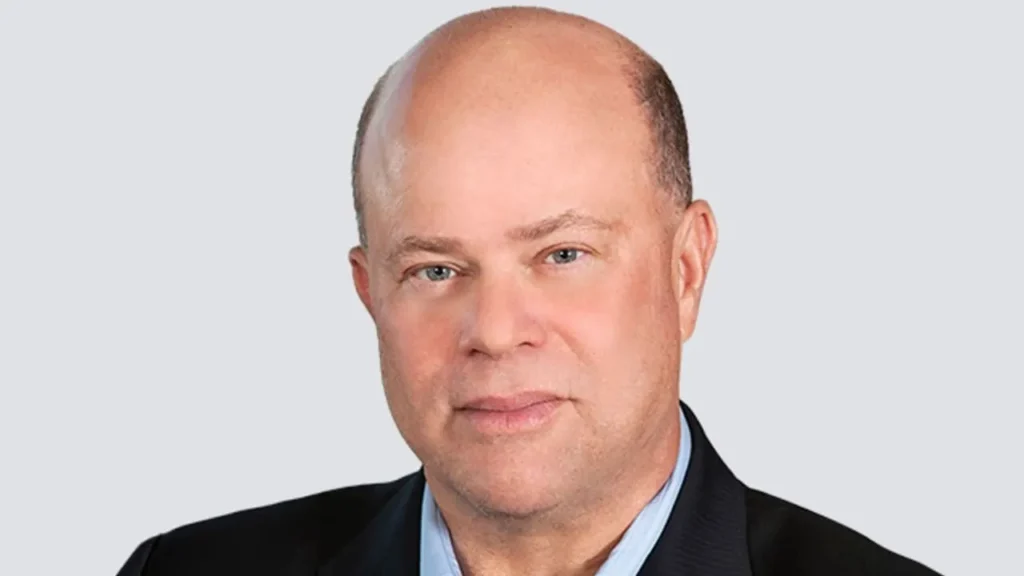
David A. Tepper is a prominent figure across finance and athletics: a formidable hedge fund titan, audacious investor, and proprietor of major sports franchises. From his humble roots in Pittsburgh, he erected Appaloosa Management into a dominant entity by venturing into distressed assets when most fled. Later, his purchase of the Carolina Panthers and launching Charlotte FC expanded his domain beyond Wall Street.
Quick Facts
| Field | Detail |
| Full Name | David Alan Tepper |
| Date of Birth | September 11, 1957 |
| Age (in 2025) | 67–68 years old |
| Birthplace | Pittsburgh, Pennsylvania, U.S. |
| Education | BA in Economics (University of Pittsburgh)MSIA / MBA (Carnegie Mellon, 1982) |
| Occupations | Hedge fund manager, investor, sports franchise owner, philanthropist |
| Founded / Leadership | Appaloosa Management |
| Teams Owned | Carolina Panthers (NFL)Charlotte FC (MLS) |
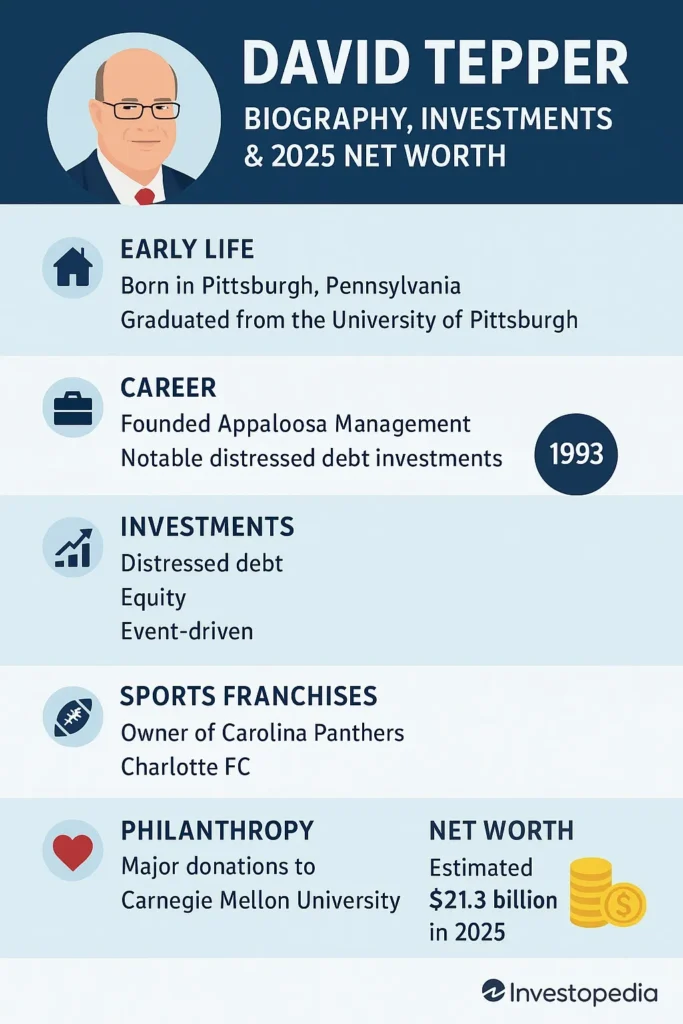
| Estimated Net Worth (2025) | ~US$ 21.3 billion (estimate) |
Early Life & Foundations
Childhood & Family Context
Tepper was reared in the Stanton Heights area of Pittsburgh in a working-class Jewish household. His father, Harry, served as an accountant, while his mother, Roberta, taught in schools. He was the middle child among three siblings. From early in life, Tepper displayed a keen memory and affinity for numbers; he would memorize baseball statistics from cards his grandfather shared, foreshadowing a data-driven mindset. He also later alluded to difficult experiences with his father. He attended Peabody High School in Pittsburgh’s East Liberty neighborhood during his teenage years.
Education & Early Employment
After high school, he matriculated at the University of Pittsburgh, where he earned a Bachelor’s in Economics, graduating with honors around 1978. During his undergraduate studies, he held part-time jobs (for instance, at the Frick Fine Arts library) to help support himself. He then went on to Carnegie Mellon University, obtaining an MSIA / MBA (Master of Science in Industrial Administration) in 1982. His ties to CMU remained enduring — later, he would become a major benefactor, and the business school would bear his name. These formative years instilled traits like resilience, self-reliance, and a high drive for intellectual progress.
Career Trajectory: From Analyst to Hedge Fund Luminary
Early Roles: Steel, Mutual Funds, Goldman Sachs
Upon finishing his graduate degree, Tepper’s initial position was in the treasury division at Republic Steel in Ohio. After a stint there, he joined Keystone Mutual Funds in Boston circa 1984. His breakthrough occurred in 1985 when he was hired by Goldman Sachs as a credit analyst focusing on high-yield / distressed debt. Within months, he climbed to become head trader of that desk.
His time at Goldman proved formative. During the 1987 market crash, Tepper reportedly purchased distressed bonds from financial firms under duress a contrarian bet that later yielded outsized returns. Although his performance was strong, he was overlooked for partnership twice, a professional setback that reportedly fueled his ambition to forge his own path.
Launching Appaloosa Management
In late 1992, Tepper departed Goldman to trade with his own capital. By early 1993, he formally established Appaloosa Management L.P., joined by a few select co-investors. The firm initially concentrated on distressed debt, special situations, and deeply undervalued credit opportunities. From modest beginnings, Appaloosa’s performance impressed. In its first six months, with limited capital, the fund delivered robust returns. Over subsequent years, assets under management (AUM) grew steadily. Appaloosa gained renown for high-conviction bets in distressed corporations, often via debt securities of bankrupt or near-bankrupt entities.
Crisis Era & Iconic Trades (2008–2009)
One of Tepper’s most lauded moves occurred during the 2008 global financial crisis. When most market participants recoiled, Tepper wagered on distressed financial equities and debt. Among those, he acquired stakes in Bank of America and other beleaguered banking institutions during deep pessimism. In 2009, the fund reportedly generated about $7 billion in profit, with roughly $4 billion accruing to Tepper personally making him that year’s top-earning hedge fund manager. His propensity to be aggressive in moments of maximum fear became a hallmark.
Over time, Appaloosa broadened beyond pure credit plays, adding equity allocations and event-driven exposures. By the late 2010s, Tepper began transitioning the firm toward a family office style structure, returning third-party capital to increase control and discretion over his own funds.
Investment Philosophy & Approach
David Tepper’s methodology can be summarized by a handful of core tenets:
- Contrarian orientation: Investing when others are retreating
- Asymmetric payoff: Seeking large upside with controlled downside
- High conviction: Making concentrated bets when probabilities favor him
- Adaptability: Shifting sectors, instruments, and themes as conditions evolve
- Special situations / distressed focus: Capitalizing on inefficiencies
He has remarked:
“Markets adapt, people adapt. Don’t listen to all the crap out there.”
One notable illustration: his Q4 2024 “everything China” bet, where he expanded holdings in Alibaba, JD.com, and China-related ETFs, despite macro volatility. This showed sustained conviction amid headwinds.
Tepper’s style is not for faint hearts: his bets can carry significant volatility, but when they land, they tend to land big.
Sports Ownership & External Influence
Initial Entry: Small NFL Stake
In 2009, Tepper acquired roughly 5% ownership of the Pittsburgh Steelers NFL team. However, when he later sought full franchise control, NFL guidelines required him to divest that stake.
Carolina Panthers
In 2018, Tepper acquired the Carolina Panthers from Jerry Richardson, with estimates of the purchase price between US$2.2 and 2.275 billion. To adhere to NFL ownership rules, he disposed of his Steelers share. Since assuming the reins, he has directed investments in facilities, organizational enhancements, and community engagement initiatives.
Charlotte FC (MLS)
Tepper also ventured into soccer. In 2019, the Panthers’ ownership group submitted a bid for an MLS expansion side. Subsequently, Charlotte FC was awarded as the league’s 30th franchise, commanding a record expansion fee of around $325 million. The club kicked off play in 2022, sharing stadium infrastructure with the Panthers. Through sports holdings, Tepper magnifies his brand in regional identity and civic significance beyond pure financial enterprise.
Philanthropy & Enduring Legacy
Major Gifts & Institutional Support
- In 2004, Tepper donated $55 million to Carnegie Mellon University’s business school, prompting its renaming as the David A. Tepper School of Business.
- In 2013, he donated $67 million toward constructing the “Tepper Quadrangle” and other campus initiatives. In aggregate, his giving to CMU has reached approximately $125 million.
- He also supports the University of Pittsburgh (scholarships, outreach, institutional programs).
He currently chairs or contributes to organizations such as Blue Meridian, the Robin Hood Foundation, and his own Tepper Foundation (founded 1996). His philanthropic priorities emphasize equal opportunity, education, and community development.
Recent Community Contributions
In mid-2025, Tepper and his spouse donated 38,000 backpacks filled with school supplies to students across North and South Carolina via Classroom Central arguably one of the region’s largest school-supply distributions that year. This act highlights that he channels his capital toward both financial returns and social impact.
Net Worth, Holdings & Financial Profile (2025)
Net Worth Projections
As of mid-2025, most credible sources estimate David Tepper’s net worth to be around US$ 21.3 billion. In a recent report, he generated $1.7 billion in earnings from his investment activity in 2024, which significantly contributes to his wealth total. Other sources place him slightly higher or lower depending on timing, but the $21.3B estimate is conservative and frequently cited.
Wealth Composition & Asset Sources
His wealth is built across multiple streams:
- Investment Profits via Appaloosa: The primary engine of growth
- Equity & Debt Holdings: Public and private investments
- Sports Franchises: Ownership adds both value and brand
- Real Estate / Alternative Assets / Private Ventures: Supplemental but important
As Appaloosa increasingly functions like a family office, a substantial portion of capital is internally held and managed by Tepper and close affiliates, reducing public exposure.
Portfolio Moves & Examples
- The Q4 2024 China-centric bet is an exemplar: significant allocations to Alibaba, JD.com, and Chinese ETF exposure despite volatile sentiment
- Tepper’s 13F disclosures reflect rotations across sectors, occasional concentrated bets, and opportunistic shifts
Because much of his capital is private, full transparency is limited but the public filings and observed moves offer windows into his strategic posture.
Risks, Criticisms & Headwinds
Any comprehensive biography should also consider the challenges and critiques:
- Volatility and concentration risk: Large bets may bring outsized downside
- Sports performance accountability: Public and fan scrutiny may judge team success more than profit
- Macroeconomic exposure: Distress-heavy portfolios can be hit hard in widespread downturns
- Valuation opacity: Some holdings (private assets, franchises) lack liquid market pricing
- Public and operational scrutiny: As a high-profile owner and donor, scrutiny follows his decisions on staff, operations, facilities
Nevertheless, his capacity to navigate market turmoil, pivot strategies, and take bold stances signals notable resilience and acumen.
Insights & Takeaways
David Tepper’s trajectory offers instructive lessons for investors, entrepreneurs, and aspirational leaders:
- Convert adversity into fuel
Being denied a partnership at Goldman catalyzed him to build something greater. - Bet where others shun
His best returns often emerged when fear dominated markets. - Marry conviction with deep due diligence
His large positions are not random—they come from rigorous analysis. - Evolve with changing landscapes
His shift from pure distressed debt into hybrid and equity plays shows adaptability. - Use success to build legacy
His philanthropy and sports ownership indicate that he seeks staying power beyond financial success. - Retain humility amid scale
Even as one of the wealthiest individuals, he maintains a relatively low public persona.
Timeline of Milestones
| Year | Event / Milestone |
| 1957 | Born in Pittsburgh (Sept 11) |
| 1978 | Graduated University of Pittsburgh (BA Economics) |
| 1982 | Completed MSIA / MBA at Carnegie Mellon |
| 1982–84 | Worked at Republic Steel, then Keystone Mutual Funds |
| 1985 | Joined Goldman Sachs (credit / high-yield desk) |
| 1992 | Left Goldman to trade independently |
| 1993 | Founded Appaloosa Management L.P. |
| 2008–09 | Placed bold distress / bank equity positions during crisis |
| 2009 | Acquired ~5% stake in Pittsburgh Steelers |
| 2018 | Purchased Carolina Panthers (sold Steelers stake) |
| 2019 | Awarded MLS expansion franchise, Charlotte FC |
| 2024 | Earned ~$1.7 billion in a single year from investing |
| 2025 | Active philanthropic efforts; net worth estimated ~$21.3 billion |
FAQs
A: Most authoritative assessments place Tepper’s net worth at approximately USD 21.3 billion in 2025.
A: Appaloosa Management is the hedge fund Tepper co-founded in 1993. Its early mandate was distressed debt, special situations, and undervalued credit instruments. Over time, it diversified to equities, event-driven trades, and hybrid strategies. In recent years, Appaloosa has been transitioning toward a family office model, returning outside capital and focusing more exclusively on Tepper’s personal capital.
A: He acquired the Carolina Panthers in 2018, paying roughly USD 2.2–2.275 billion.
A: Tepper is most recognized for donations to Carnegie Mellon University, including a $55 million gift in 2004 and a $67 million contribution in 2013 (totalling about $125 million). He also supports the University of Pittsburgh, leads the Tepper Foundation, backs educational and community programs, and in 2025 donated 38,000 backpacks to students.
A: Some core takeaways:
Turn obstacles into motivation
Be contrarian, not conventional
Back bets with strong conviction and analysis
Stay adaptive to changing environments
Leverage success to build a lasting legacy
Conclusion
David Tepper’s journey from a working-class upbringing in Pittsburgh to becoming one of the most successful hedge fund managers in history is a testament to his exceptional analytical skill, emotional discipline, and strategic foresight. His ability to spot value during financial crises particularly his bold bets on distressed debt transformed Appaloosa Management into a Wall Street powerhouse and earned him billionaire status.
Beyond finance, Tepper’s impact extends to Philanthropy, sports ownership, and education. As the owner of the Carolina Panthers and Charlotte FC, he has helped reshape the sports landscape in North Carolina, while his major donations to Carnegie Mellon University reflect his deep commitment to giving back.
As of 2025, David Tepper’s net worth is estimated at over $20 billion, cementing his place among the wealthiest and most influential figures in global finance. Yet, more than the numbers, it’s Tepper’s contrarian thinking, data-driven decision-making, and resilience that continue to inspire investors and entrepreneurs alike.
In an era where markets change faster than ever, David Tepper’s career remains a masterclass in adaptability proving that true wealth comes not only from seizing opportunities but from staying humble, analytical, and relentlessly forward-looking.