
Introduction
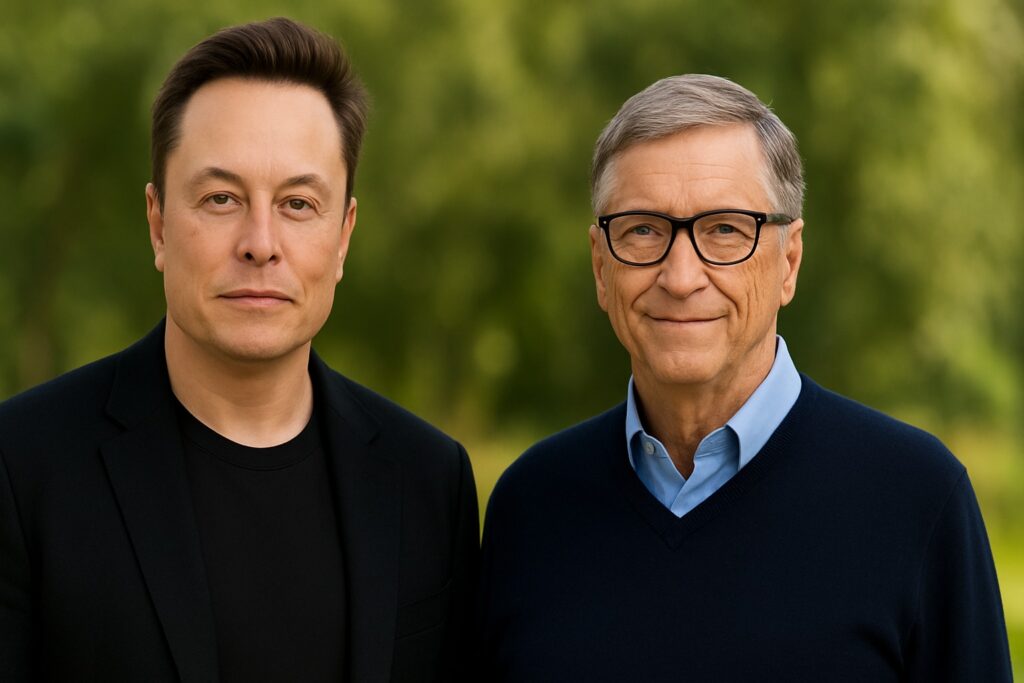
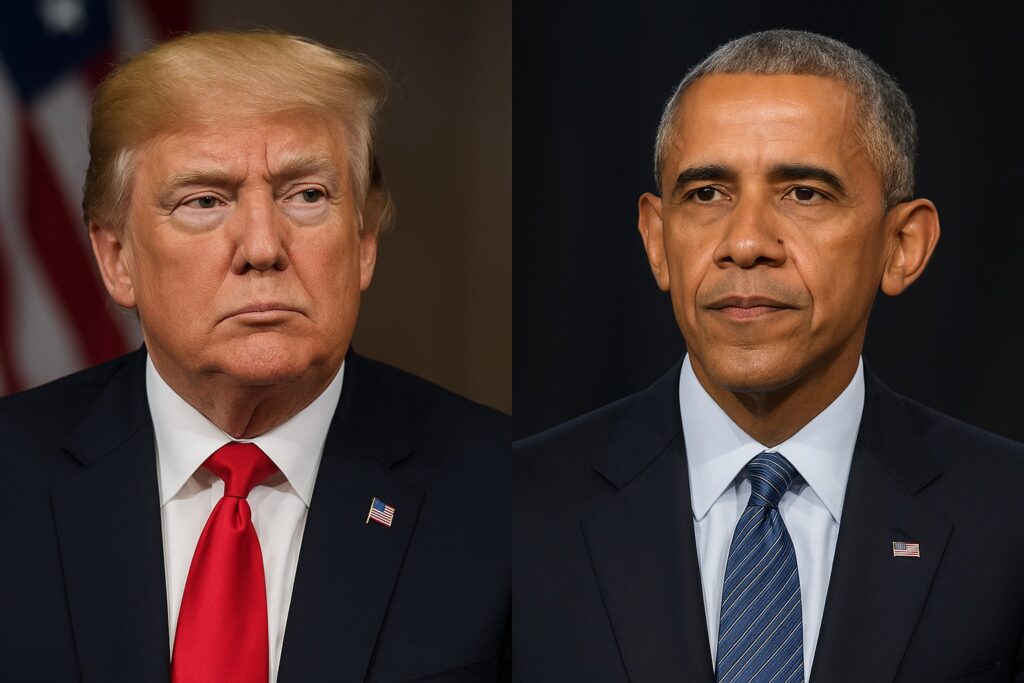
In today’s rapidly shifting tech world, few figures spark as much interest and discussion as Robert Pera and Peter Thiel. Both are billionaire founders whose life stories and management philosophies have left strong effects on global technology and business. Yet their paths to success could not be more unlike.
Robert Pera is the engineer-turned-businessman who built Ubiquiti Inc. — a company that started with a $30,000 fund and grew into a worldwide leader in wireless networking devices. He focused on creating strong connectivity tools that were simple, low-cost, and dependable — challenging bigger rivals and changing how wireless networks are used globally.
On the other side, Peter Thiel is a contrarian planner, investor, and ecosystem creator. He co-founded PayPal, became the first external investor in Facebook, launched Palantir Technologies, and co-founded the influential venture capital firm Founders Fund. His idea of innovation goes beyond product building — he tries to create entirely new markets and startup cultures.
Quick Facts
| Attribute | Robert Pera | Peter Thiel |
| Full Name | Robert J. Pera | Peter Andreas Thiel |
| Date of Birth | March 10, 1978 | October 11, 1967 |
| Age (2025) | 47 | 58 |
| Birthplace | San Carlos, California, USA | Frankfurt, West Germany |
| Nationality | American | German & American |
| Profession | Businessman, Engineer, CEO | Entrepreneur, Venture Capitalist |
| Known For | Founder & CEO of Ubiquiti Inc. | Co‑founder of PayPal, Palantir, Founders Fund |
| Net Worth (2025 est.) | ~$27–32 billion | ~$26–27.5 billion |
| Major Industries | Networking, Wireless Technology | FinTech, Data Analytics, Venture Capital |
Childhood & Early Life
Robert Pera: The Engineer With a Vision
Robert Pera was born on March 10, 1978, in San Carlos, California, deeply rooted in a world of tech and invention. From an early age, he showed a strong passion for electronics and computers. Pera built and fixed devices in his youth, gaining early skills that would shape his later business journey.
He studied at the University of California, San Diego, where he earned several degrees, including a Bachelor’s and Master’s in Electrical Engineering, and a Bachelor’s in Japanese Language a rare mix that showed both technical skill and global interest.
Before starting his own company, Pera briefly worked as a hardware engineer at Apple Inc., where he gained useful experience in Wireless Devices. This job helped sharpen his focus on Wi‑Fi design and connectivity problems faced by underserved areas.
Peter Thiel: From Philosophy to FinTech Disruption
Peter Andreas Thiel was born on October 11, 1967, in Frankfurt, West Germany. His family moved to the U.S. when he was small. Thiel’s early years were marked by strong mental curiosity, especially in philosophy and logical thinking.
He studied philosophy at Stanford University, where he also started a student paper that challenged common views on campus. He later earned a law degree from Stanford Law School, but instead of becoming a lawyer, Thiel chose to enter finance and tech — a choice that would change online payments and the startup scene.
Career Journey
Robert Pera: Bootstrapped Founder of Ubiquiti Inc.
In March 2005, Robert Pera founded Ubiquiti Networks with only $30,000 of personal savings and credit card debt. His mission was clear: build affordable, high‑performance wireless networking products that could reach areas overlooked by major tech companies.
Unlike typical tech startups, Pera focused on:
- Engineering‑driven innovation rather than flashy marketing or big sales teams.
- Community engagement through forums and user feedback for product improvement.
- Lean operational structure, keeping costs low and margins high.
- Designing products for emerging or underserved markets first, before moving into enterprise sectors.
This approach helped Ubiquiti grow rapidly, especially among rural internet service providers and global markets that lacked access to affordable connectivity. The company went public in 2011, validating Pera’s model and turning him into one of the youngest self‑made tech billionaires.He also purchased the Memphis Grizzlies NBA franchise in 2012 bringing his success into sports and community leadership.
Peter Thiel: PayPal to Palantir to Venture Capital
Peter Thiel’s career began in fintech. In 1998, he co‑founded Confinity, a software company that eventually merged with Elon Musk’s X.com to become PayPal — a platform that drastically improved online money transfers. As CEO, Thiel guided PayPal through growth, culminating in its IPO and sale to eBay for $1.5 billion in 2002, which made him financially independent.
After PayPal, Thiel used his wealth to build and invest:
- Palantir Technologies (2003): A data analytics company used by governments and corporations.
- Founders Fund (2005): A venture capital firm investing in major future tech companies.
- Early investment in Facebook (2004): A $500,000 stake that turned into one of the most profitable startup bets ever.
- Other ventures and funds: including Thiel Capital, Valar Ventures, and philanthropic projects like the Thiel Fellowship.
Thiel’s path shifted from building products to shaping an entire startup ecosystem through capital, strategy, and influence.
Major Works & Achievements
Robert Pera’s Highlights
- Founded and scaled Ubiquiti Inc. from $30,000 startup to global tech company.
- Innovated wireless networking solutions that dramatically lowered costs and expanded internet access.
- Owned the Memphis Grizzlies NBA franchise, expanding impact outside tech.
Peter Thiel’s Highlights
- Co‑founded PayPal, reshaping online payments.
- First outside investor in Facebook, with enormous returns.
- Co‑founded Palantir Technologies, a major analytics player.
- Established Founders Fund, backing companies like SpaceX, Airbnb, Stripe, and more.
- Co‑authored Zero to One, a widely read book on innovation and startup philosophy.
Comparative Business Impact & Success Metrics
| Aspect | Robert Pera | Peter Thiel |
| Company Model | Product‑centric engineering | Investment & ecosystem building |
| Market Focus | Networking hardware (Ubiquiti) | FinTech, data analytics, venture capital |
| Public Company Role | CEO & majority owner of Ubiquiti | Strategic founder, investor, and board member |
| Notable Exit | Ubiquiti IPO (2011) | PayPal IPO & sale (2002) |
| Broader Influence | Product innovation & connectivity access | Influencing startup culture & Investment philosophies |
Net Worth & Financial Status
- Robert Pera: Estimated at around $27–32 billion, largely tied to his majority stake in Ubiquiti and diversified interests, including sports ownership.
- Peter Thiel: Estimated at around $26–27.5 billion, with significant holdings in Palantir, early Facebook shares, and investments via Founders Fund and other entities.
Leadership Styles & Philosophies
Pera’s Product‑First Leadership
Pera focuses on engineering excellence, real‑world problem solving, and affordable technology, all rooted in customer feedback and simplicity.
Thiel’s Contrarian & Strategic Vision
Thiel emphasizes contrarian thinking — building monopolies instead of competing, and backing ideas that others overlook. His philosophical influence is encapsulated in Zero to One, advocating innovation that creates entirely new value rather than incremental improvements.
Public Perception & Controversies
Robert Pera
Pera maintains a low public profile and avoids political debates, favoring focus on technology and sports. His main controversies relate to business practices or tech challenges, not ideology.
Peter Thiel
Thiel’s public life has sparked debate due to:
- Political activism and funding of controversial causes.
- Data privacy and government surveillance concerns surrounding Palantir.
- High‑profile legal engagements and ideological debates in Silicon Valley culture.
Timeline of Major Life Events
| Year | Robert Pera | Peter Thiel |
| 1978 | Born in California | |
| 1989 | Born in Frankfurt, Germany | |
| 1998 | Co‑founded PayPal | |
| 2002 | PayPal IPO & sale | |
| 2003 | Co‑founded Palantir Technologies | |
| 2005 | Founded Ubiquiti Inc. | Founded Founders Fund |
| 2011 | Ubiquiti went public | Published Zero to One |
| 2012 | Purchased Memphis Grizzlies |
Motivational Lessons from Their Journeys
- Vision Disrupts Giants: Pera’s belief in affordable tech challenged Major Industry players.
- Contrarian Thinking Pays: Thiel’s philosophy proves that innovation often lies outside popular belief.
- Multiple Paths Lead to Success: Both models product excellence and strategic investment are valid routes to impact and wealth.
Pros & Cons
Robert Pera
Pros
1. Built a tech firm from scratch
2. Product‑centric leadership
3. Cleaner public profile
Cons
1. Less diversified influence
Peter Thiel
Pros
1. Deep impact on startup culture
2. Bold early investments
3. Thought leadership influence
Cons
1. Controversial public image

FAQs
A: Robert Pera founded Ubiquiti Inc., a company specializing in wireless networking products.
A: Peter Thiel is best known for co‑founding PayPal, Palantir Technologies, Founders Fund, and as the first outside investor in Facebook.
A: Pera emphasizes engineering and product excellence, while Thiel emphasizes contrarian strategy and market creation.
A: Peter Thiel has wider public influence through investment leadership, writing, and cultural debate.
A: From Pera: solve real problems. From Thiel: challenge norms and seek bold ideas.
Conclusion
Robert Pera vs Peter Thiel shows two strong but different tech billionaire journeys.
Pera stands as the engineer-founder model, deeply focused on products, networks, and practical change. His path from small startup to global tech leader shows that making real, useful tools can reshape markets and improve lives — without flashy media coverage or constant remarks.
In contrast, Peter Thiel represents the strategic thinker and contrarian investor. His reach goes far beyond any single product or service. Through PayPal, Palantir, Founders Fund, and early bets like Facebook, Thiel has changed how startups plan the future and how money flows into bold ideas.
While Pera’s effect is direct and product-focused, Thiel’s is systemic and cultural. Both journeys teach us that success doesn’t come from chasing trends — it comes from solving real issues and backing daring ideas. Whether you’re a student, Entrepreneur, or tech fan, the paths of Pera and Thiel give lasting lessons on innovation, leadership, and the drive for disruption.