Introduction
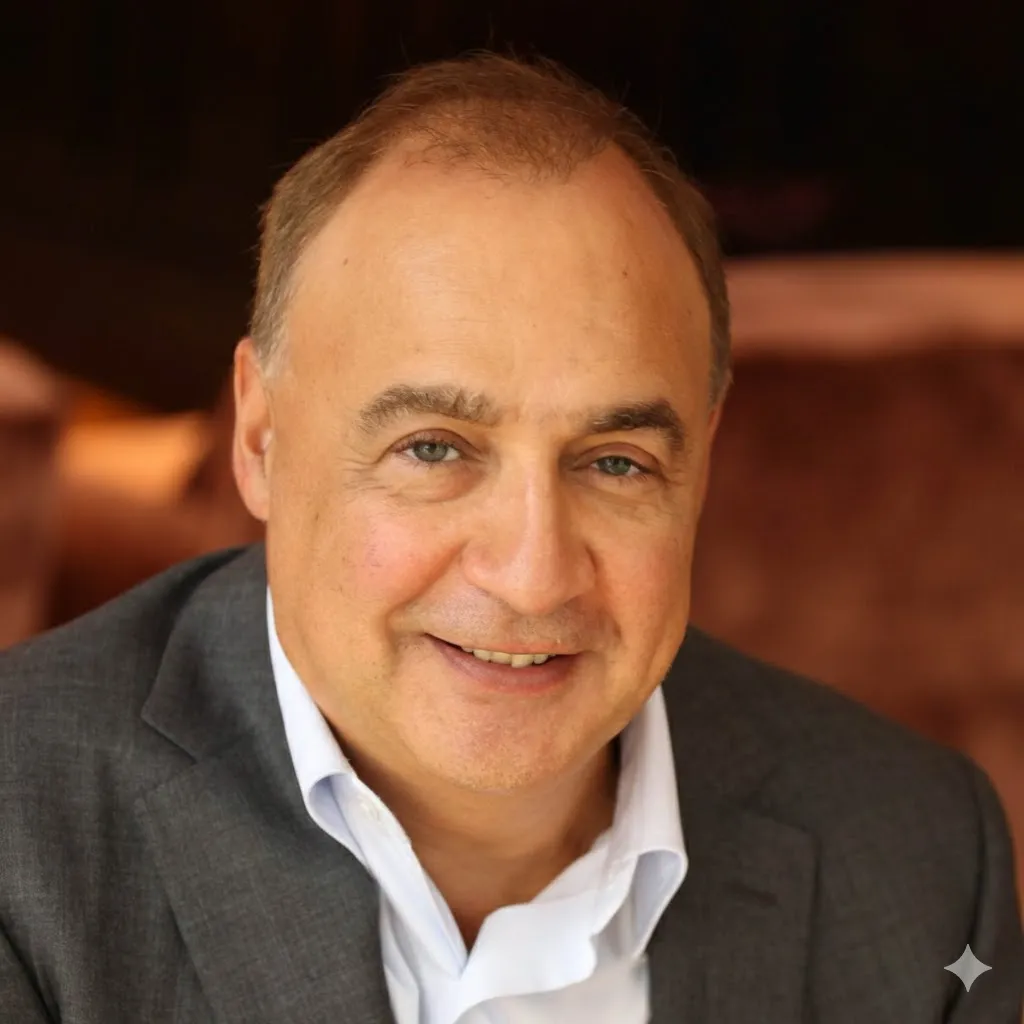
Sir Leonard Len Blavatnik is a prominent figure in Global Business and philanthropy. He began life in the Soviet Union and later built a diversified international business group while living between the United Kingdom and the United States. His investments span chemicals, natural resources, media, music, streaming, technology, and real estate. He is also a major donor to universities, cultural venues, and scientific prizes. At the same time, his career is accompanied by debates and controversies about the origins of wealth, media ownership, and influence.
Childhood & Early Life
Born: June 14, 1957, in Odesa, then part of the Ukrainian Soviet Socialist Republic. His early life was shaped by the Soviet education system and by parents who worked in academia. Those family roots in a household with a strong emphasis on study and learning help explain early interests in technical subjects.
After finishing secondary schooling in the Soviet Union, Blavatnik attended institutions in Moscow tied to engineering and sciences (sources vary on the exact institute name in early biographies). In 1978, he emigrated with his family to the United States. The move opened new academic and career opportunities.
In the U.S.:
- He earned a master’s degree in computer science from Columbia University in 1981. That technical training was useful in early roles that combined software and industry.
- He held early jobs that included technical work at a medical research institution and later roles in information systems and consulting, including positions at Andersen Consulting and a director-level role in Macy’s information services. These experiences taught him how to manage data, projects, and teams.
- He then completed an MBA at Harvard Business School in 1989. The MBA provided a strong business framework and access to deal networks that would prove useful when he began investing at scale.
Taken together, Blavatnik’s early story is a mix of technical training and business schooling that laid the groundwork for a career focused on deal-making, asset management, and long-term strategic investments.
Career & Business Empire
Founding Access Industries
In 1986, Len Blavatnik founded Access Industries, a private investment and holding company headquartered in New York. Access Industries became his vehicle to invest across multiple sectors and geographies. The firm’s flexible structure allowed Blavatnik to move capital into industrial assets, media, chemicals, technology, and later cultural and philanthropic projects.
Access operates as a long-horizon investor: it sometimes takes controlling stakes, sometimes is a major minority investor, and often holds assets for decades. That mix of control and patient capital is a hallmark of Blavatnik’s approach.
Major Investments & Industries
Blavatnik’s Portfolio is broad. Below is a summary table of the main sectors he has been active in, the notable deals, and why they matter.
| Sector | Key Investments / Events | Notes |
| Natural Resources & Chemicals | Purchase of Basel Polyolefins in 2005 from Shell & BASF; merger with Lyondell Chemical in 2007 to form LyondellBasell. | LyondellBasell faced severe financial problems during the 2008–09 crisis but restructured and remains a major player. |
| Oil & Post-Soviet Privatizations | Early 1990s investments in aluminium and other industrial assets in former Soviet states; stakes in SUAL and participation in what became TNK and later TNK-BP; sale of TNK-BP stake to Rosneft in 2013 for several billion dollars. | These deals were foundational to his early wealth and later attract scrutiny because of the opaque nature of privatizations. |
| Media & Entertainment | Purchase of Warner Music Group in 2011 (~$3.3b) and later public listing; heavy investment in sports streaming platform DAZN and other media ventures; holdings across production, publishing, and music rights. | Music rights and streaming have become central to his media strategy. |
| Technology, Biotech & Venture | Venture and growth investments via Access-affiliated venture vehicles in biotech and technology start-ups; strategic stake-building across life sciences and tech platforms. | Reflects a shift toward future-facing sectors. |
| Real Estate & Luxury Assets | Ownership of high-value properties (London, New York, and elsewhere) and investments in hospitality and commercial real estate. | Real estate provides both personal residences and institutional assets. |
Recent Moves & Growth
In the mid-2020s, Blavatnik pursued direct funds into media and media. DAZN, the sports sluice service that has received substantial backing from Access production, recorded rapid revenue growth between 2021 and 2024 and attracted further capital hit in 2026. Reports in early 2026 report an US$827 million capital injection from Access into DAZN, an example of Blavatnik’s willingness to double down on long-term bets in content and issue. DAZN’s revenue growth and expanding reach illustrate how Blavatnik’s investments evolve with shifting consumer patterns.
Meanwhile, Blavatnik maintained stakes in chemicals and industrial assets (notably LyondellBasell), and retained his prominent position in music via Warner Music Group each area contributing to the composite picture of his wealth.
Net Worth & Financial Status (2026)
Net Worth Estimates
Estimating the wealth of a major private investor is always approximate. Different methodologies yield different totals. For 2026:
- Bloomberg Billionaires Index estimated Len Blavatnik’s net worth in the high tens of billions around US$37.4 billion (April 2026 estimate).
- Forbes produced a lower estimate roughly US$26.5 billion in 2026.
Other analysts place him in the US$30–US$35 billion band depending on assumptions about private asset valuations and debt.
The divergence reflects both real volatility (public equity prices move) and methodological differences (how to value private companies, how to account for family trusts, debt, or minority stakes).
Why Estimates Vary
Several factors explain the wide range of published estimates:
- Private assets: A large portion of Blavatnik’s wealth sits in privately held agency and investment vehicles that do not have clear market value. Valuing those assets requires premise about earnings, comparable multiples, or recent deal prices.
- Market volatility: Publicly barter holdings like Warner Music Group or stakes in actinic agency are priced daily, and swings in those markets change net worth quickly.
- Currency exposure: Holdings style in different currencies are impacted by exchange-rate moves. A stronger or weakly dollar will shift dollar-entitle net worth.
- Leverage & liabilities: Debt used to buy assets or held at holding-company level reduces net worth on a net basis, but public trackers may not always have full visibility into leverage.
- Methodological differences: Bloomberg and Forbes use different data inputs, differing access to private-company information, and different assumptions about liquidity discounts.
Asset Composition & Sources of Income
Blavatnik’s wealth comes from a mix of asset classes:
- Major public holdings: A notable Ownership position in Warner Music Group, a meaningful stake in LyondellBasell, and various other public dependability.
- Private investments & venture stakes:Ergonomics, streaming, media making, and technology journeys held directly or via Access-affiliated funds.
- Real estate: High-value personal residences and institutional real-estate investments.
- Proceeds from past sales: Notably, the sale of his stake in TNK-BP to Rosneft in 2013 generated several billion dollars, which funded later investments and diversification.
- Dividend and operating income: Returns from profitable companies, licensing (especially music), and dividends from chemical and industrial holdings.
Because income can be reinvested, distributed via family foundations, or retained inside private structures, the pattern of cash flow is complex leading to different snapshots of net worth depending on whether analysts use enterprise value, equity value, or net asset methods.
Major Philanthropy & Recognition
Philanthropy: Big Gifts & Foundations
Len Blavatnik is one of the more active philanthropists among billionaires, giving through the Blavatnik Family Foundation and making large institutional gifts. His giving focuses especially on higher education, science, and culture.
Prominent examples include
- Harvard Medical School (2018): A transformational gift of US$200 million intended to accelerate translation of scientific discoveries into therapies. The funding aimed to bridge research and clinical application.
- Blavatnik School of Government, Oxford: A high-profile endowment that helped build a modern public-policy school bearing his name one of his most visible institutional philanthropic legacies.
- Blavatnik National Awards for Young Scientists: These prizes, established in multiple countries, reward rising researchers in chemistry, life sciences, and physical sciences. They are notable for being large, unrestricted awards for early-career scientists.
- United States cultural and educational gifts: The Blavatnik Family Foundation has funded projects in the U.S., including a US$25 million gift to the University of Southern California in 2026 to support a Virtual Production Center in the School of Cinematic Arts (announced by the foundation). The foundation has also supported institutions such as Carnegie Hall and others.
Philanthropy is both a personal interest and a platform through which Blavatnik engages with academic and cultural communities. Large donations frequently lead to named buildings, programs, and prizes.
Institutions & Awards Carrying His Name
Institutions that carry the Blavatnik name include:
- The Blavatnik School of Government (Oxford) is prominent in policy circles.
- Blavatnik National Awards for Young Scientists are administered across the UK, U.S., and Israel to recognize high-achieving early-career researchers.
- Gifts to universities, museums, theatres, and cultural venues have produced named centers, wings, and “first-tier” donor recognitions (e.g., Carnegie Hall).
These naming relationships raise both prestige and public visibility, while also prompting debate about donor influence (see controversies section).
Honors & Recognition
- Knighthood (2017): Len Blavatnik was knighted by the Queen of the United Kingdom; he received the title Sir Leonard Blavatnik for services to philanthropy.
- Dual citizenship: He holds both U.K. and U.S. citizenship and is often described in the media as a transatlantic investor.
His philanthropic profile and recognition by major institutions have enhanced his public reputation, even as debates about the role of major donors continue.
Controversies & Criticism
A rounded profile of a high-profile billionaire must include critiques and controversies. Blavatnik’s record has attracted scrutiny in several areas.
Early Wealth Origins & Russia Connections
A central critique concerns the origins of his early fortune. In the chaotic post-Soviet 1990s, there were numerous privatizations and asset restructurings. Blavatnik participated in deals in the aluminium and oil sectors alongside other private investors. Critics argue that the privatization period often lacked transparency and was politically charged raising questions about the lineage of wealth. Blavatnik has publicly distanced himself from contemporary Russian political power and stresses that his business relations are commercial and not political.
Journalists and academic commentators have documented the complexity of those deals. Whether or not impropriety occurred, the historic origins of wealth remain a focal point for critics who want greater transparency.
Media Influence & Press Freedom
Blavatnik’s holdings in media and broadcasting have raised questions about editorial independence. In Israel, one notable instance involved Channel 13 News (owned by Access at one point), where allegations surfaced in 2024 that a program critical of the prime minister was cancelled following a change in station leadership. Critics argued the move could reflect owner influence; Access and Blavatnik’s representatives deny editorial interference. The allegation sparked protests in other countries and renewed debate over whether media owners should step back from influencing newsroom decisions.
In the U.K., protests at institutions bearing the Blavatnik name have also occurred in response to perceived editorial actions abroad, illustrating how media ownership and philanthropic naming can interact in public perception.
Political Donations & Reputation
Blavatnik has made donations in both the United States and the United Kingdom. Such political gifts prompt discussion about donor influence and the ways political funding might shape access or policy. In the wake of contentious political events (for instance, reactions to university policies or geopolitical conflicts), Blavatnik has at times paused or delayed contributions, actions that themselves become newsworthy and fuel debate about the relationship between donors and institutions.
Valuation & Opacity Criticisms
Because many assets are held privately or through complex structures, some critics say there is insufficient transparency around the precise size and structure of his holdings. This opacity makes it harder for outside observers to confirm published net worth figures or to fully understand control and governance arrangements. Questions about influence arise when large philanthropic gifts coincide with ownership of media outlets or corporate stakes in industries that intersect with public interest.
Personal Life & Character
- Citizenship: Len Blavatnik holds both U.S. and U.K. citizenship and originally comes from the Soviet Union (born in Odessa).
- Family: He is married to Emily Appelson Blavatnik; they have children and maintain a family philanthropic operation.
- Residences: Blavatnik owns high-value properties, including a residence on Kensington Palace Gardens in London and properties in New York, among other locations.
- Public image: He is widely seen as private, low-profile, and intensely strategic. Unlike some billionaires who court the media, Blavatnik typically stays behind the scenes, allowing his business transactions and philanthropic projects to define his public presence.
Those traits, privacy, strategic focus, and long-term investing tendencies, shape how he is perceived by peers, institutions, and critics.
Pros and Cons
Pros
- Highly diversified business empire
He invested across chemicals, oil, media, technology, real estate, and streaming, reducing long-term risk. - Strong long-term investment vision
Blavatnik has held assets for many years (like Warner Music and DAZN) instead of chasing short-term profits. - Major global philanthropist
He donated hundreds of millions to education, science, medicine, and culture through the Blavatnik Family Foundation. - Private and disciplined leadership style
He keeps a low public profile and focuses on strategy, execution, and results rather than publicity.
Cons
- Early wealth linked to post-Soviet privatization
Part of his fortune came from controversial Russian-era asset deals, which still attract criticism. - Media ownership raises press freedom concerns
Ownership of news outlets (such as Israel’s Channel 13) has led to allegations of editorial influence. - Limited transparency of wealth
Much of his net worth is tied to private companies, making an accurate valuation difficult. - Influence concerns through political donations
His political contributions and large institutional donations raise questions about influence and power.
FAQs
A: Estimates vary. Bloomberg puts him at around US$37.4 billion as of April 2026. Forbes estimates closer to US$26.5 billion. The gap is because of private holdings, market changes, and different ways of estimating.
A: In 2026, the Blavatnik Family Foundation donated US$25 million to the University of Southern California to build the Blavatnik Center for Virtual Production in the School of Cinematic Arts.
A: The Blavatnik National Awards for Young Scientists are annual prizes given to young researchers (faculty level) under a certain age (for example, under 42 in the U.S.) in science fields. They are among the largest unrestricted scientific prizes for young scientists.
A: In 2024, Channel 13 News, owned by Blavatnik’s company Access, was accused of cancelling a critical investigative show after a leadership change. Critics said it was to appease the Israeli Prime Minister’s allies. Blavatnik’s side denies editorial interference. The issue sparked protests in the UK at institutions named after him.
A: Because over time, Blavatnik has sold many of his Russian / post‐Soviet assets, publicly emphasized a lack of involvement with the Russian government, and moved investment focus to Western media, technology, biotech, etc. But critics say the early foundation of wealth still involves Russian privatization.
Conclusion
Sir Leonard Len Blavatnik is a multifaceted figure who combines large-scale investing, strategic philanthropy, and an intentionally low Public Profile. His path from Soviet-era origins to billionaire investor illustrates an ability to shift capital into new industries as global markets and technologies change. As of 2026, he continues to allocate capital across media, biotech, chemicals, and real estate while supporting higher education and cultural institutions through sizable gifts.
At the same time, the scale of his wealth and his media ownership create legitimate public questions about influence, transparency, and the interplay between donations and institutional autonomy. Understanding Blavatnik’s career offers useful lessons for investors, Philanthropy professionals, and anyone studying the intersections of money, power, and public life.