

Harry Stine Family: Stine Seed Empire
When envisioning American farming’s progress, you might see vast stretches of corn, robots scanning fields, or researchers crafting tougher plant strains. But beneath that advancement lies a low-key pioneer: Harry H. Stine, a grower-turned-seed tycoon whose skill in heredity transformed today’s agriculture. Starting from a modest family farm in countryside Iowa, Stine developed a worldwide leader by developing and sharing exclusive seed lines that power many of the biggest farming companies globally.
This detailed portrait reviews his path from field worker to wealthy innovator, the framework of his family-led company, and the strategies of breeding, licensing, and intellectual property that position Stine Seed as a vital pillar of American crop output. You will discover his childhood roots, school training, key achievements, fortune growth, family guidance, and enduring business insights.
Quick Facts
| Attribute | Details |
| Full Name | Harry H. Stine |
| Date of Birth | Circa 1941–1942 |
| Age (2026) | ~83–84 years |
| Birthplace | Dallas County (near Adel), Iowa, USA |
| Nationality | American |
| Profession | Farmer · Seedsman · Entrepreneur · Founder & Owner of Stine Seed Company |
| Family Status | Married (spouse often listed as Molly Stine) with four children |
| Primary Business | Breeding and licensing soybean and corn seed genetics through privately-held Stine Seed Company (Adel, Iowa) |
| Estimated Net Worth (2026) | ≈ US $10.2 billion Forbes 2026 |
Childhood & Early Life
Family Farm Roots
Harry Stine’s roots lie firmly in Iowa’s rich farmlands. His great-grandparents, William and Sarah Stine, settled close to Adel in 1871 on 160 acres. Years afterward, his parents, Bill and Roselba Stine, grew the holding to 200 acres by 1934, unwittingly setting the stage for a multi-billion-dollar agrigenetics enterprise.
As a boy, young Harry grasped duty quickly: steering tractors before his feet reached pedals, loading hay stacks, and absorbing the rhythm of sowing and reaping times. He later shared with a smile, “My initial task was steering a small B Farmall to gather straw bundles — I couldn’t touch the pedals but managed to keep it level across the ground.”
That early link between watchful attention and steady effort formed the foundation of his scientific interest.
Education & Early Influences
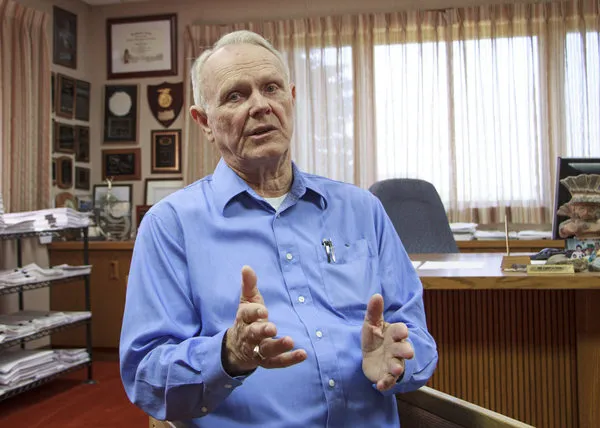
After attending Central Dallas High School, Stine enrolled at McPherson College in Kansas, studying business law and agriculture. Graduating in 1964, he returned to Adel to join his father’s soybean-cleaning operation.
It was there he began noticing peculiarities in plant growth, “odd plants,” as he called them, that yielded better than their neighbors. Those observations sparked his lifelong fascination with genetics and the potential to engineer superior seed lines.
Career Journey
Founding & Early Strategy
During the mid-1960s, Harry Stine transformed his family’s simple seed-cleaning shop into an R&D hub. Instead of reselling existing varieties, he began breeding his own soybean lines and conducting yield trials.
By the late 1960s, he co-founded Improved Variety Research (IVR) with plant breeder Bill Eby the first private soybean R&D firm in the United States. When IVR dissolved in 1973, Stine formed Midwest Oilseeds, which quickly rose to become America’s premier soybean genetics licensing enterprise.
Intellectual Property & Seed Licensing
Stine’s game-changing move was his embrace of intellectual property rights in plant breeding. In 1994, his company became the first in U.S. history to receive patents on soybean varieties (“Stine 1570” and “Stine 2550”), protecting the seed, plant, pollen, and ovule itself, a radical concept for that era.
By leveraging patents and licensing agreements, he built a recurring-revenue ecosystem. Rather than depending on commodity margins, Stine Seed licensed its genetics to industry giants like Monsanto and Syngenta, earning royalties each season while maintaining ownership of the underlying science. The firm now holds hundreds of patents (over 900 by some accounts) covering soybean and corn germplasm.
Expansion into Corn Genetics
Initially a soybean-focused enterprise, Stine Seed later ventured into corn breeding, oats, and soft red winter wheat during the 1980s. The company pioneered dense planting techniques and high-yield corn hybrids, further cementing its position as a technology leader in row crops.
Company Profile & Ownership
Today, Stine Seed Company is based in Adel, Iowa — a completely private, family-operated business frequently called America’s biggest independent seed outfit and the planet’s largest privately held seed company.
Leadership features Harry H. Stine serving as CEO, his son Myron Stine acting as President, and additional relatives such as Warren Stine managing corn development — an example of multi-generation direction seldom seen in the farming industry.
Major Works & Achievements
- 800 + Patents: Over 750 related specifically to soybean genetics, defining Stine’s role as an agri-innovator.
- Strategic Alliances: Licensing deals with Monsanto and Syngenta set precedents for seed IP partnerships.
- Scale of Testing: Tens of thousands of varieties are tested yearly, ensuring continuous advancement.
- Industry Recognition: Although media-shy, he’s regularly acknowledged by farm organizations for scientific leadership and economic impact.
These achievements don’t just represent financial triumph but a transformation of how modern agriculture breeds for yield, resilience, and sustainability.
Net Worth & Financial Standing
Estimating Wealth
Because Stine Seed is privately held, valuation requires outside estimation.
- 2016: Forbes valued Stine Seed at nearly $3 billion, naming Harry Stine Iowa’s wealthiest resident.
- 2018–2020: Net worth rose from $3.2 billion to $5.7 billion.
- 2023: Reports placed his fortune at around $9.7 billion.
- 2026: Forbes confirms ≈ $10.2 billion, keeping him among America’s top 400 billionaires.
Income Streams
His wealth derives from multiple interwoven sources:
- Royalties from licensed genetics (soybean & corn).
- Direct seed sales via dealer networks.
- Extensive land ownership is used for research and production.
- Appreciation of Stine Seed’s private valuation over the decades.
Lifestyle & Public Image
Despite his billionaire status, Stine remains notoriously modest. He prefers casual Iowa life over luxury, still spending time on his farm and occasionally foraging for morel mushrooms. His persona epitomizes the “quiet tycoon” archetype, reserved yet immensely impactful.
Personal Life & Family
Family Structure
Harry Stine shares a marriage with his wife, commonly known as Molly Stine, and the pair raised four children. The younger generation now takes active roles inside the company, securing ongoing stability and upholding the central principles of careful management and forward thinking.
Governance & Succession
The firm’s private status keeps succession plans out of view, though its command setup shows a steady shift across generations. By holding ownership inside the family, the Stines sidestep external demands and maintain enduring strategic direction — a crucial edge in the unpredictable farming and food industry.
Philanthropy & Community Impact
Though not lavishly publicized, Stine’s Philanthropy supports Iowa educational and agricultural institutions. Stine Seed itself is one of Adel’s largest employers, bolstering rural economic stability through jobs, research partnerships, and local investment.
How the Business Works: Seed Genetics & Licensing
Breeding Innovation
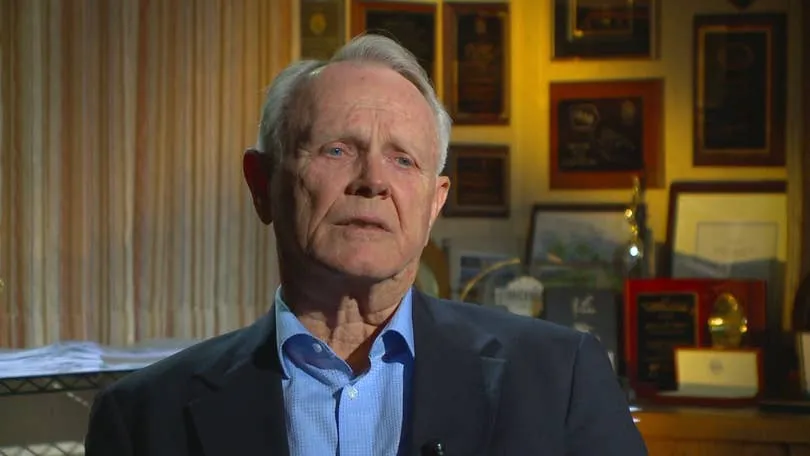
At the heart of Stine Seed lies relentless experimentation. Each year, thousands of lines of soybeans and corn are cross-bred, field-tested, and analyzed for traits like disease resistance, yield potential, and environmental resilience. Only a select few reach commercialization, cementing Stine’s reputation for quality and precision.
Patents as Strategic Assets
Stine’s visionary use of patents transformed agriculture into an IP-driven industry. By protecting seed lines, he ensured his company captured royalties long after initial development. This legal framework creates a moat around his research investments and sets a template for agritech business models worldwide.
Licensing Partnerships
Through licensing, major corporations embed Stine’s genetics within their own brands — extending reach while generating consistent royalties for Stine Seed. This scalable arrangement lets a private Iowa company impact millions of acres globally without sacrificing independence.
Land & Vertical Integration
Beyond breeding, the company maintains vast acreage for seed production and testing, transforming the original 200-acre family farm into thousands of acres of controlled research land. This vertical integration secures supply chains and product integrity.
Significance for Agriculture
- For Farmers: Access to high-yield, resilient seeds enhances profitability.
- For Food Security: Better genetics boost output per acre in a warming climate.
- For Investors: It proves deep-tech IP can create enormous value even in traditional industries.
Timeline of Life & Milestones
| Year | Event |
| ~1941–42 | Born in Dallas County, Iowa |
| 1964 | Joins family soybean business in Adel |
| Late 1960s | Co-founds Improved Variety Research (IVR) |
| 1973–75 | Forms Midwest Oilseeds after IVR dissolution |
| 1979 | Launches “Stine Soybean Seeds” retail brand |
| 1992 | Expands into corn and wheat seeds |
| 1994 | Receives U.S. patents on soybean varieties |
| 2014 | Forbes highlights company’s valuation ≈ of $3 B |
| 2023 | Net worth estimated ≈ at $9.7 B |
| 2026 | Forbes values family ≈ $10.2 B; Iowa’s richest |
FAQs
A: Harry H. Stine is an American farmer, inventor, and entrepreneur best known as the founder of Stine Seed Company. He is widely recognized as Iowa’s richest individual and a pioneer in patented soybean and corn genetics.
A: As of 2026, Harry Stine’s estimated net worth is approximately $10.2–$10.5 billion, largely derived from seed genetics royalties, licensing agreements, and the private valuation of Stine Seed Company.
A: Stine Seed earns revenue primarily through:
Licensing proprietary soybean and corn genetics to major agribusiness firms
Direct seed sales through dealer networks
Royalties from patented seed varieties
Large-scale research and production operations
A: No. Stine Seed Company is a privately held, family-owned company headquartered in Adel, Iowa. The Stine family maintains full ownership and operational control.
A: Harry Stine revolutionized farming by:
Securing early patents on soybean genetics
Scaling private agricultural R&D
Creating a high-margin licensing model adopted across the seed industry
Improving yield efficiency on millions of acres globally
His intellectual property strategy fundamentally reshaped how agricultural innovation is commercialized.
Conclusion
Harry Stine’s path from a modest Iowa homestead to the peak of farming progress displays understated brilliance and tireless testing. While many billionaires construct fortunes in technology or banking, Stine reshaped agriculture itself — converting seed heredity and licensing into a multi-billion-dollar industry that altered Global Food Production.
Even now in his eighties, Stine stays a grower deep down: straightforward, numbers-guided, and wary of exaggeration. His mark appears not only in the huge stretches of corn and soybeans carrying his traits, but in turning American farming into a sophisticated scientific field.
The Stine family’s reach endures via the company’s emerging leaders and the widespread impact of Stine’s research collaborations around the globe. From the earth of Dallas County, Iowa, to the executive suites of major seed companies, Harry Stine demonstrated that the ability to nourish humanity and amass substantial riches can spring from quiet breakthroughs rooted in simple farmland.